MΕΤΕΣΤΕΓΑΣΗ ΚΥΡΙΩΝ ΔΡΑΣΤΗΡΙΟΤΗΤΩΝ & ΔΙΑΧΩΡΙΣΜΟΣ ΑΥΤΩΝ ΣΕ ΕΠΙΠΕΔΑ ΜΕ ΣΕΒΑΣΜΟ ΣΤΗΝ ΥΠΑΡΧΟΥΣΑ ΚΛΙΜΑΚΑ.
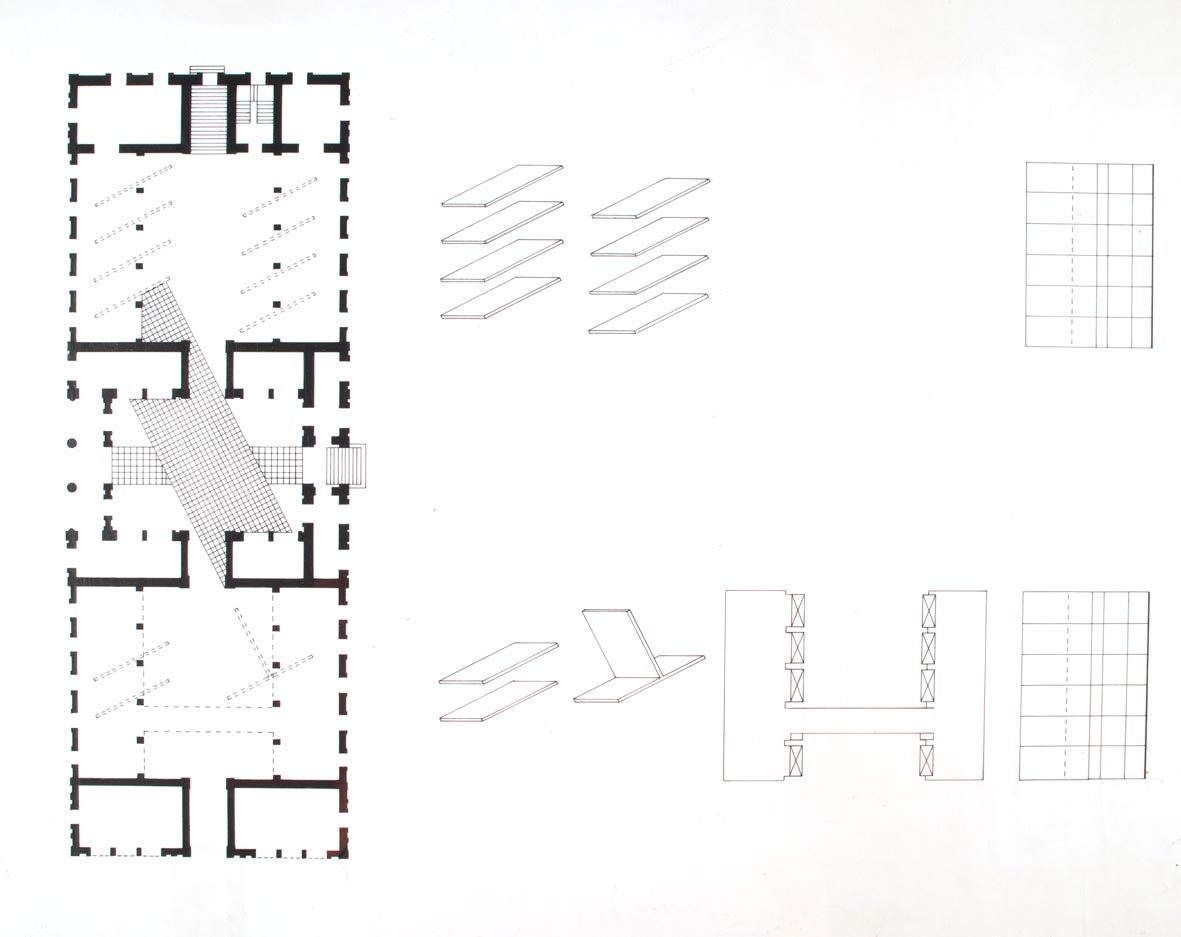


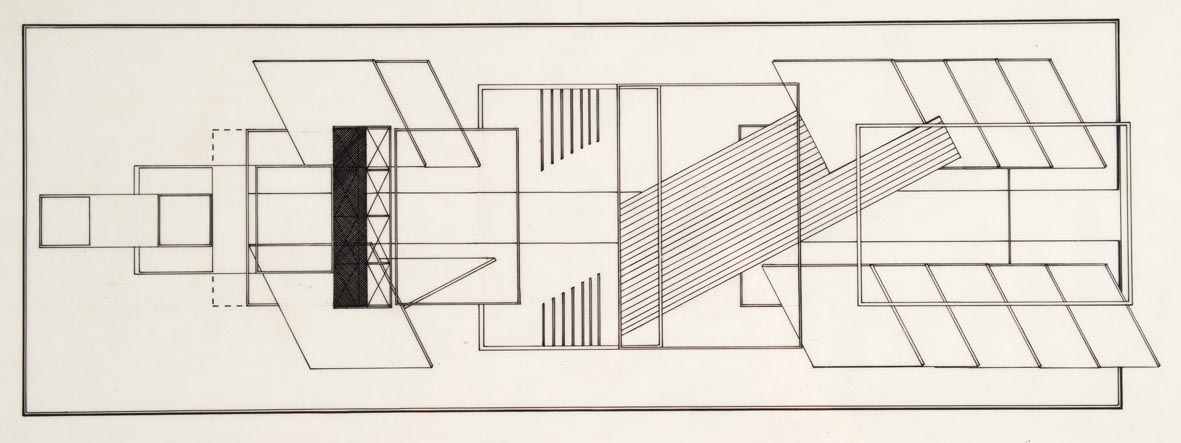
Α) ΕΠΑΝΕΞΕΤΑΣΗ ΤΗΣ ΥΠΑΡΧΟΥΣΑΣ ΑΡΤΗΡΙΑΣ (ΜΕΡΟΥΣ ΑΥΤΗΣ)
Β) ΕΠΑΝΑΔΡΑΣΤΗΡΙΟΠΟΙΗΣΗ ΚΥΡΙΑΡΧΩΝ ΣΤΟΙΧΕΙΩΝ, ΜΕΡΟΥΣ ΤΗΣ ΙΣΤΟΡΙΚΗΣ ΑΝΑΠΤΥΞΕΩΣ ΤΟΥ ΠΥΡΓΟΥ. (Πρόσβαση στον Άγιο Αθανάσιο, Παλαιά κτίρια οικιών σε σημαίνοντα σημεία αναφοράς, κτίριο αγοράς & πρόσβαση από οδό Ερμού, Καθεδρικός ναός κ.λ.π).
Γ) ΣΥΝΔΕΣΗ ΔΙΑΦΟΡΕΤΙΚΩΝ ΔΡΑΣΤΗΡΙΟΤΗΤΩΝ. (Στοά εμπορική επί Ερμού με ανοίγματα αναφορές σε εσωτερικά αίθρια/ χώρος κατοικιών, πρόσβαση σε κτίρια εντός Αγρού.
ΑΝΑΜΕΙΞΗ “ΠΕΡΙΟΧΩΝ ΕΝΔΙΑΦΕΡΟΝΤΩΝ” MEΣΩ ΧΡΗΣΕΩΝ ΑΝΑΓΟΜΕΝΩΝ ΣΤΟΝ ΕΠΙΚΕΙΜΕΝΟ ΠΥΡΗΝΑ.
Κάθοδος προς το πολιτιστικό κέντρο AGORA και εκκλησίες μέσω κατοικιών και χώρων μισής χρήσης.
Οι “σταθμοί” Αναφοράς μπορεί να είναι:
Ιστορικοί Μέγαρα/ Αγορά. Δημόσια κτίρια.
Θρησκευτικά κτίρια συναθροίσεως ……. (κουλτούρα)
Εμπορικά επιβεβλημένα ( Αρτηρίες/ διακλαδώσεις/ τοποχρησία)
Άνευ Ιστορικής Αξίας αλλά μετά αναφορών στην εξέλιξη της περιοχής, των συνδέσεων των διαφορετικών ενοτήτων ενδιαφέροντος και των επιδράσεων (οικονομικών & κοινωνικών) πάνω στα κτίσματα της γύρω περιοχής.
π.χ. εμπορικά & κατοικίες γύρω από την Αγορά με σύνδεση προς Μητρόπολη. Κυρίαρχα κτίρια σε γωνίες δίνοντας ώθηση προς κατευθύνσεις ή ανοίγοντας την πορεία της συνδέσεως και τον ρόλο τους σαν “κρίκους” κτίρια σε σημείο αναφοράς κλίμακας και διαχωρισμού περιοχών (π.χ το κτίριο στη γωνία Μητρόπολης και κατηφορικής οδού προς την Αγορά, όπου η κλίμακα είναι εξαρτώμενη από την γωνία εστιάσεως και κατευθύνσεως).
Η αναδιαμόρφωση των υπαρχόντων BOULEVARD και ανοιχτών χώρων που υπάρχουν άνευ ταυτότητας, (διαχωρίζοντας και όχι ενώνοντας τους ( Γειτονικούς παρακειμένους) κτιστούς χώρους), θα προτείνει νέες δυνατότητες σύνδεσης αυτών μέσω νέων ανοιγμάτων και σταθμών αναφοράς.
Οι ενώσεις πρέπει να είναι και οπτικώς ισχυρές αλλά και λειτουργικά αποδεκτές, (μέσω σειρών από σταθμούς ή σημείων αναφοράς) (κατεύθυνσης, κλίμακας, προσδιορισμού χρήσεων) έτσι ώστε οι σχέσεις να εναρμονιστούν με τον περίγυρο πολεοδομικό ιστό. Το αποτέλεσμα θα προβάλλει μία χωροδιάταξη αστικού χαρακτήρα βασισμένη σε πεζόδρομους, μονοδρομήσεις οδών, αλλαγές κατευθύνσεων και χώρους πράσινους, που θα παραδώσει μία νέα διευθέτηση των κοινών χώρων (υπάρχουσες πλατείες μεγάλης κλίμακας), θα δώσει μία νέα (οπτική σύνδεση), φωτεινότητα, καθαρότητα σχέσεων αλλά και προσαγωγής σε όλους τους υπάρχοντες κοινόχρηστους χώρους, από την κύρια αρτηρία οδό Ερμού αλλά και εκατέρωθεν.
In the transformation era the city’s attitudes have shifted towards a more restless beat of life. Change and innovation have destroyed a sense of connection with tradinion and have alienated its inhabitans. Prefabrication, practicality and opportunism have resulted within the built environment in a less of the sense of connection inhabitants have with a city. In order to aquire direction, people unconsciously identify with particular sites which serve as arientations to space.
If those is no real identification with the built environment then a sense of passivity and isolation occur.
The isolation results in the inhabitants development of a protective, “second skin”- defensive attitudes which serve as protection from the surrounding, urban environment. This “second skin” can be penetrated through the interaction and social participation which occur in communal spaces. As a subconsions reaction inhabitants centralized the aspects of life, celebration of every day events , in one or two communal spaces externilizing certain aspects of life that would promote good spirit and social interaction and reserving other more private for their own individual domains.
The latterns of infilstration that occur can be seen through the use of of filtering elements controlling the access and penetration from public to private life. The ways in which people isolate themselves, “isolation patterns”, are also the ways in which they can be infictrated. By allowing for more dirersified infiltrations of the “second skin” imhabitants can better enlarge their personal vision of the society they live in. The “participation control” (the control an individual has over his participation in communal activities) can be elevated to separate spheres of interaction this manipulating the amount of isolation from the source of activity. By allowing penetration to occur, we broaden our horizons and enlarge our vocabularies of thought. We build our sense of connection an honest and clear principals and understand ourselves move in order to personality our sense of orientation and time control. His our mind set that has managed to enclose us within controlled spaces. We set our own isolation patterns within a communal space. In the Pyrgos more traditional neighborhoods we can see this through the extensive use of stoas, balconies, terraces, bordengates, arcades leading to inner spaces, openings on lacades, inner courtyards, open autriums, innerconnection of blocks-all these that occur in a penetration of the “second skin” and allow for an evident interchange of private/ public spaces.
The problem lies in the “modern” Contemporary urban setting, the new additions and alterations on the existing older fabric. The built environment of past cities cannot simply be duplicated. The feelings engendered by a space are generated by the spirit of the inhabitants of a city. A simply return to past forms would only be creating superficial elements in order to attract attention, activities would not be significally generated, unless the essense of the build environment carries the spirit of procession and interaction in the same human scale that made those past examples so succesfull.
It is only within our own individual mind sets where we might find the “ideal” relationship for the city and its inhabitants. Elements exist within our cities; the landscape; the setting. It is up to our own reactions to those existing aspects which allow for growth and reincarnation of the “Placemaker” (the setting where communal action occurs).
“Placemaking” seeks to expand the sense of meaning in the build environment by giving it a sense of community ethic and by activating constitutencies that can feel more responsive to their place.
A gathering space must avoid causing states of alienation , confusion and disorientation, such as the “L” shaped open square of the Hippodromion size on the Eparrchion Hill.
It should provide an essense of shelter confintment or not, a secure feeling that enables the inhabitants to act upon, and an observatory while simultanensly encouraging social interaction.
It is our mind set that has managed to enclose us within controlled spaces. We set our own isolation patterns within a communal space. That is only common elements within our build environment can have a diversifred role. The purpose of those build elements is that isolate-divide and altogether join communal spaces with an identity of cultural, traditional and social substance.
Such a building which acts as a dividor between the two Hills ( Eparchion- st. Athanassios) is the Agora. By it’s controlled and promotion over the Hermes st. axis it is supervimposing it’s substance on the passage and makes its role more important acting almost like a “section through time”.
Rationale Analysis
- Bioclimatic Design
- Orientation around the suns patterns
- Holistic Design
- Conceptual Design